- Actuators
- Adapters
- Air Blowers
- Air Conditioners
- Air Curtains
- Air Purifiers
- Anemometers
- Axial fans
- Ball Valves
- Belimo
- Blowers
- Brackets
- Brass
- Brazing Rods
- Capacitors
- Carrier Parts
- Clamp Meters
- Cleaning Products
- Coatings
- Compressors
- Condensate Pumps
- Connectors
- Contactors
- Copper Capillary
- Copper Coils
- Copper Straight Tubes
- Copper Strainers
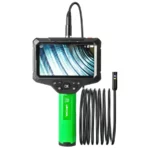
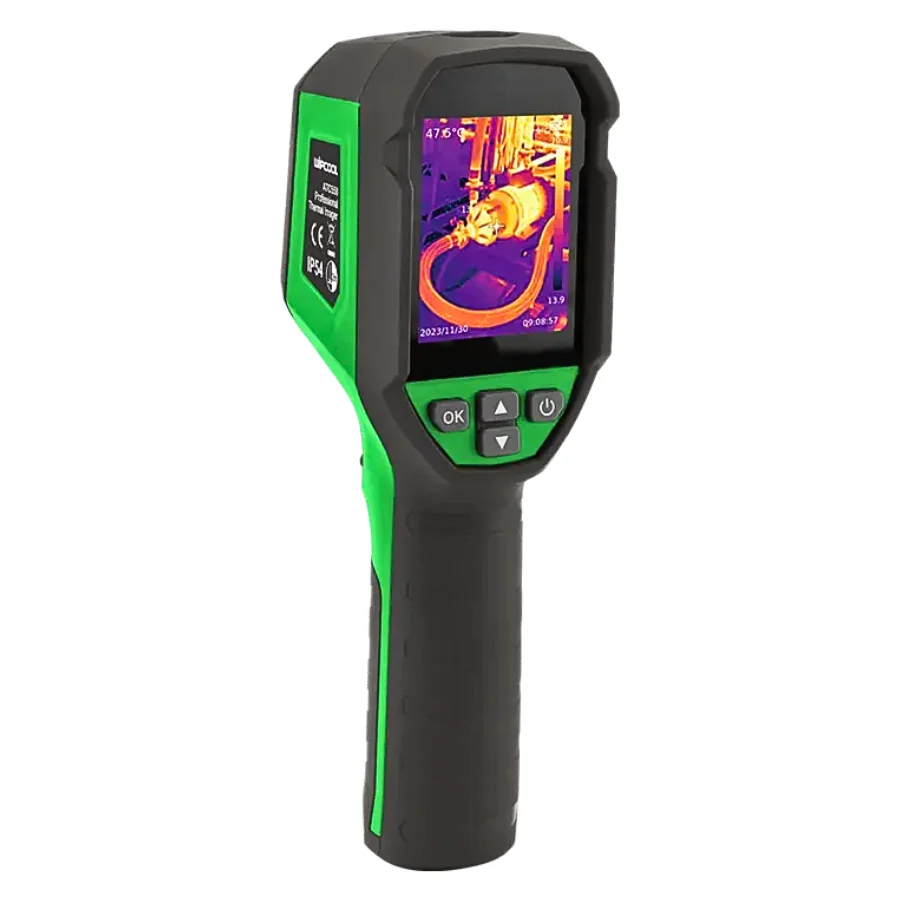
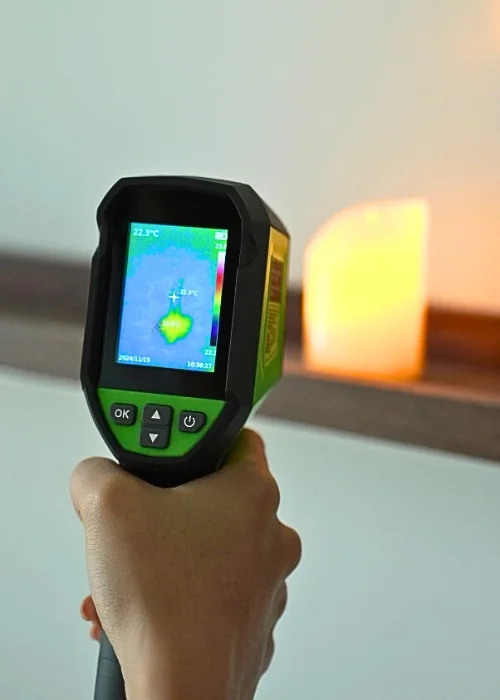
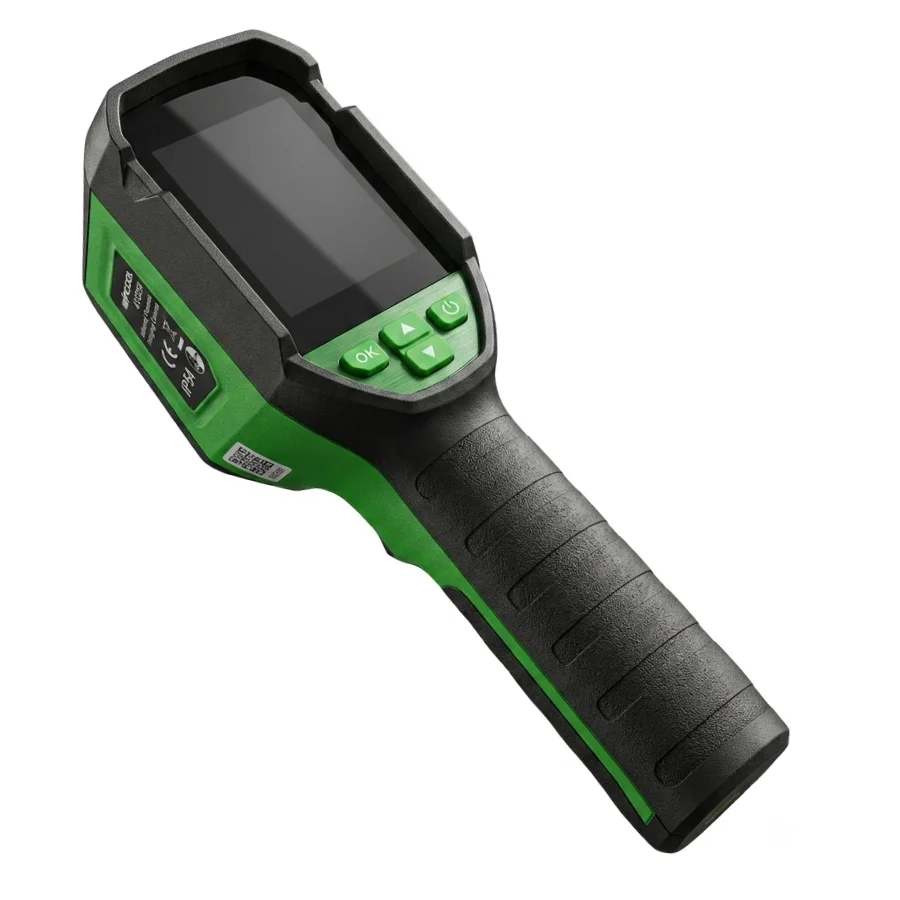
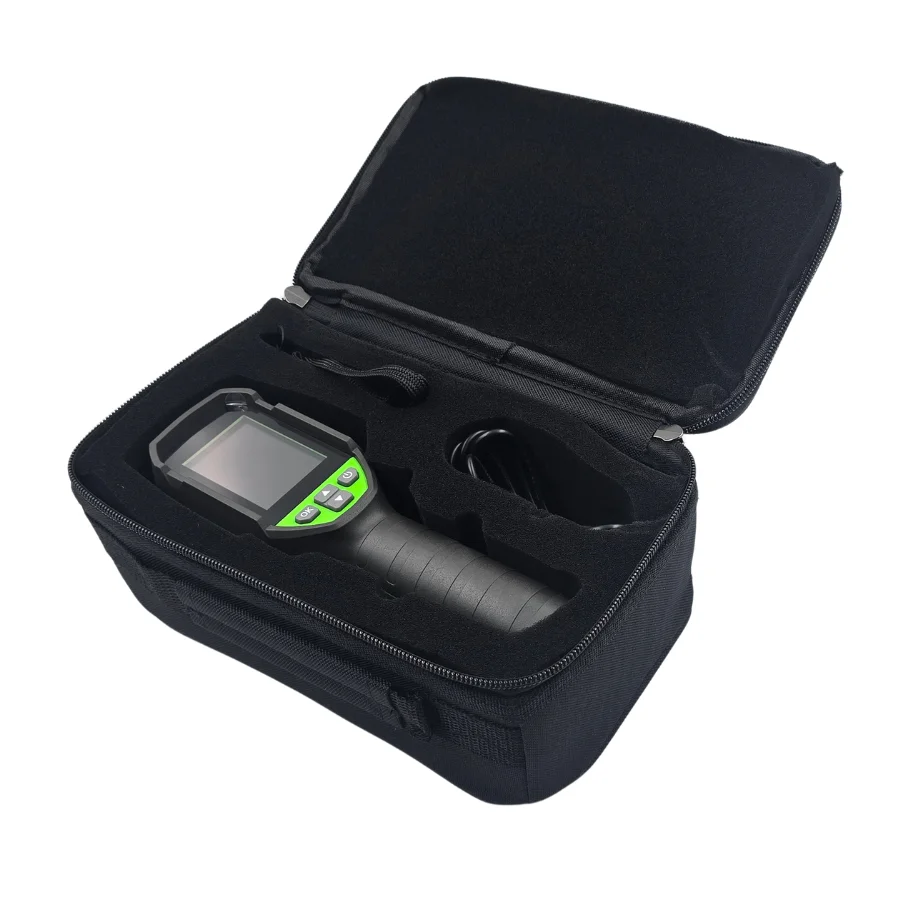
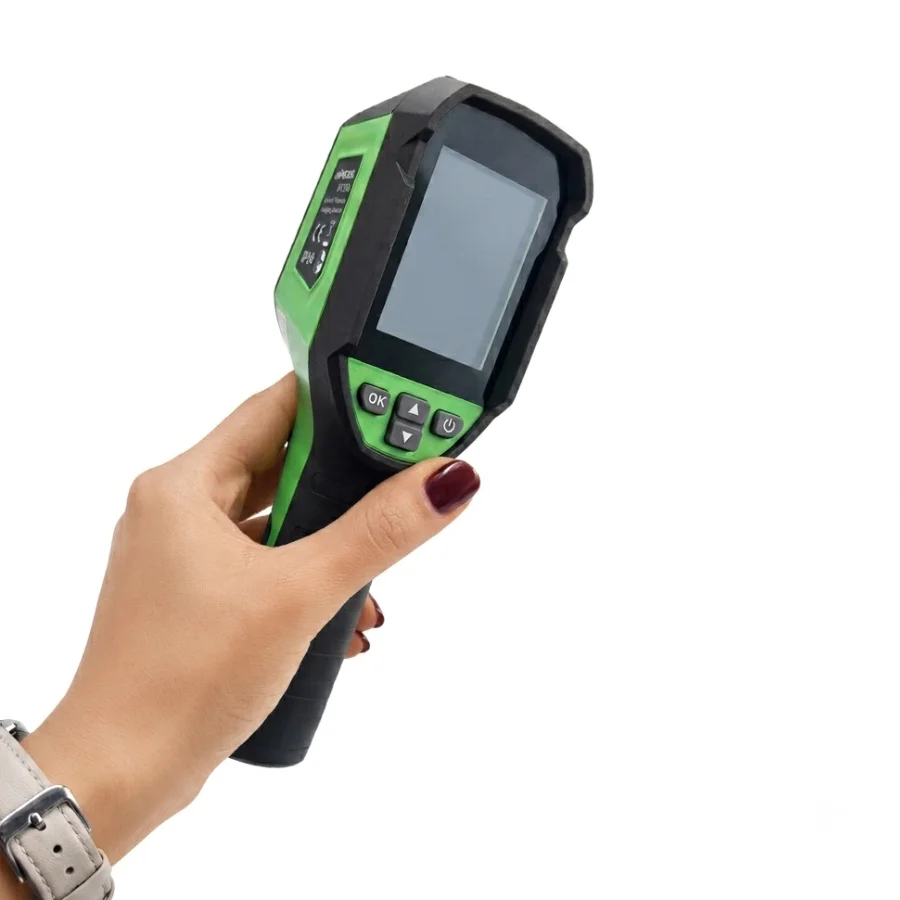
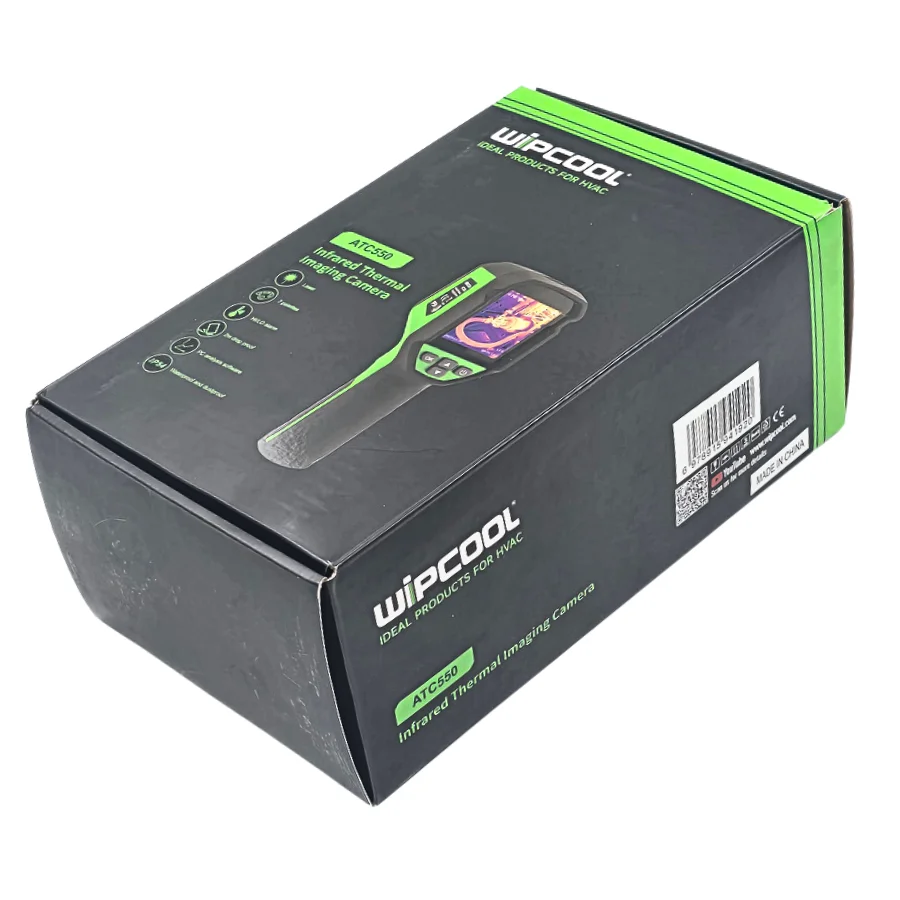
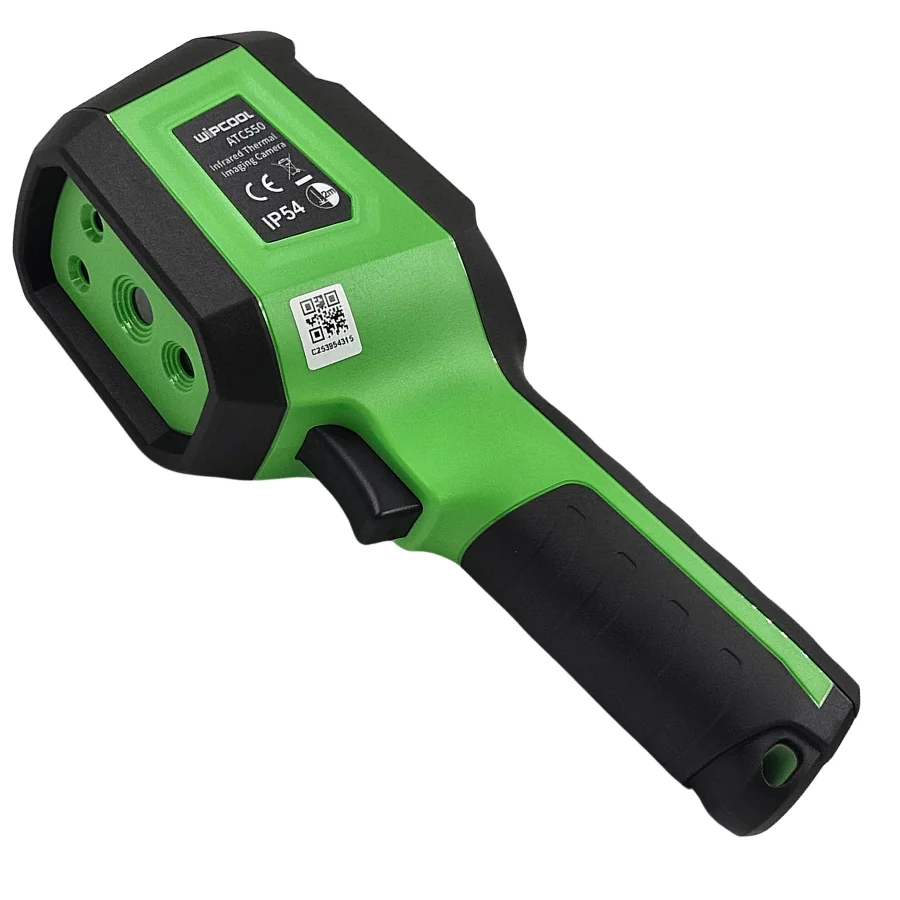
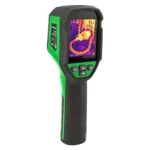
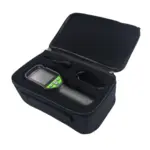
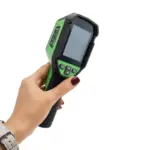
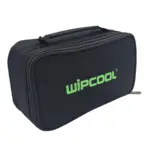
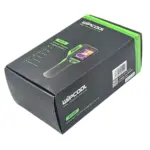
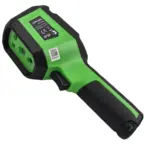
WIPCOOL Infrared Thermal Imaging Camera ATC550
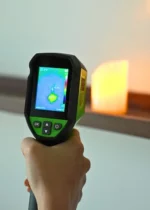
Fast, Clear Thermal Imaging
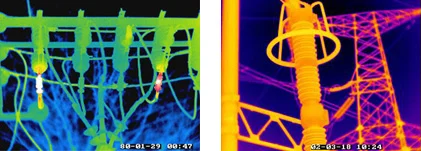
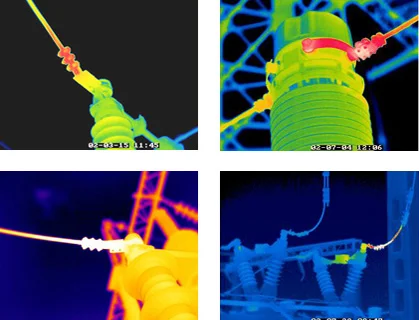
Thermal Cameras Help You Safely Detect Hidden Electrical Faults Early
Visualize Dangerous Heat Buildup Inside Electrical Equipment From a Safe Distance
Features
- Automatic alarm for high and low temperature
- Type-C charging &data upgrading port
- 2 metre drop proof design
- 2.4″TFT
[fluentform id="1"]
ATC550 Infrared Thermal lmaging Camera temperature measurement range -20 ℃ to 550 ℃, thermal imaging map is clear, temperature distribution is accurate and reliable, high and low temperature automatic alarm to ensure safe operation.
Featuring a single-button photo trigger, detailed thermal recording, an IP54 rating, and 2-meter drop protection, this device adapts to any work environment..
|
MODEL |
ATC550 |
|
|---|---|---|
|
Temperature Range |
-20℃-550℃ |
|
|
Temperature measaccuracy |
0.1℃ |
|
|
Display Resolution |
320x240px |
|
|
IR Sensor Resolution |
160*120 |
|
|
Response band |
8-14 μM |
|
|
Thermal Sensitivity |
<50mK @25 ℃ |
|
|
Frame rate |
≤25Hz |
|
|
Distance to Spot Ratio |
emissivity 0.95(default)(0.1-0.99) |
|
|
Field of View |
40°Hx 30°V |
|
|
Storage |
Built-in 32GB EMMC |
|
|
Battery type |
Built-in 3.7V 2600mAh(Type-C port) |
|
Why you need to track Joule Heating & Eddy Currents In Your HVAC Motors & Compressors
Tracking Joule heating—also known as I²R or copper loss—in motors and compressors is vital because excess heat degrades winding insulation, accelerates bearing lubricant breakdown, and creates a destructive feedback loop where rising temperatures further increase electrical resistance.
Tracking eddy currents—often called core losses or iron losses—is critical because they degrade magnetic efficiency, generate intense localized heat, and are heavily influenced by the high frequencies of modern Variable Frequency Drives (VFDs).
While direct Joule heating scales with the mechanical load on the motor
eddy current losses scale with speed and frequency, making them a unique threat to equipment health.
What Are The Benefits of Thermal Cameras?
Using a thermal camera on electrical equipment provides critical benefits by allowing technicians to visualize invisible heat patterns caused by electrical resistance, overloaded circuits, or failing components. This enables proactive preventive maintenance, significantly improving facility safety, preventing unexpected equipment failures, and reducing costly downtime.
Key Benefits
- Early Fault Detection: Electrical problems (like loose connections, phase imbalances, or corroded terminals) generate excess heat long before physical damage or a total system failure occurs. Thermal cameras spot these "hotspots" instantly.
- Enhanced Safety: Inspections are conducted from a safe distance without making physical contact with live components. This dramatically reduces the risk of arc flash, electric shock, and serious workplace injuries.
- Non-Invasive Diagnostics: Unlike traditional methods that require shutting down systems or dismantling equipment to check for faults, thermal imaging scans energized equipment while it is running normally.
- Reduced Downtime and Costs: By identifying exactly which component is failing, maintenance teams can schedule targeted repairs during off-peak hours. This prevents catastrophic equipment breakdowns and eliminates emergency repair costs.
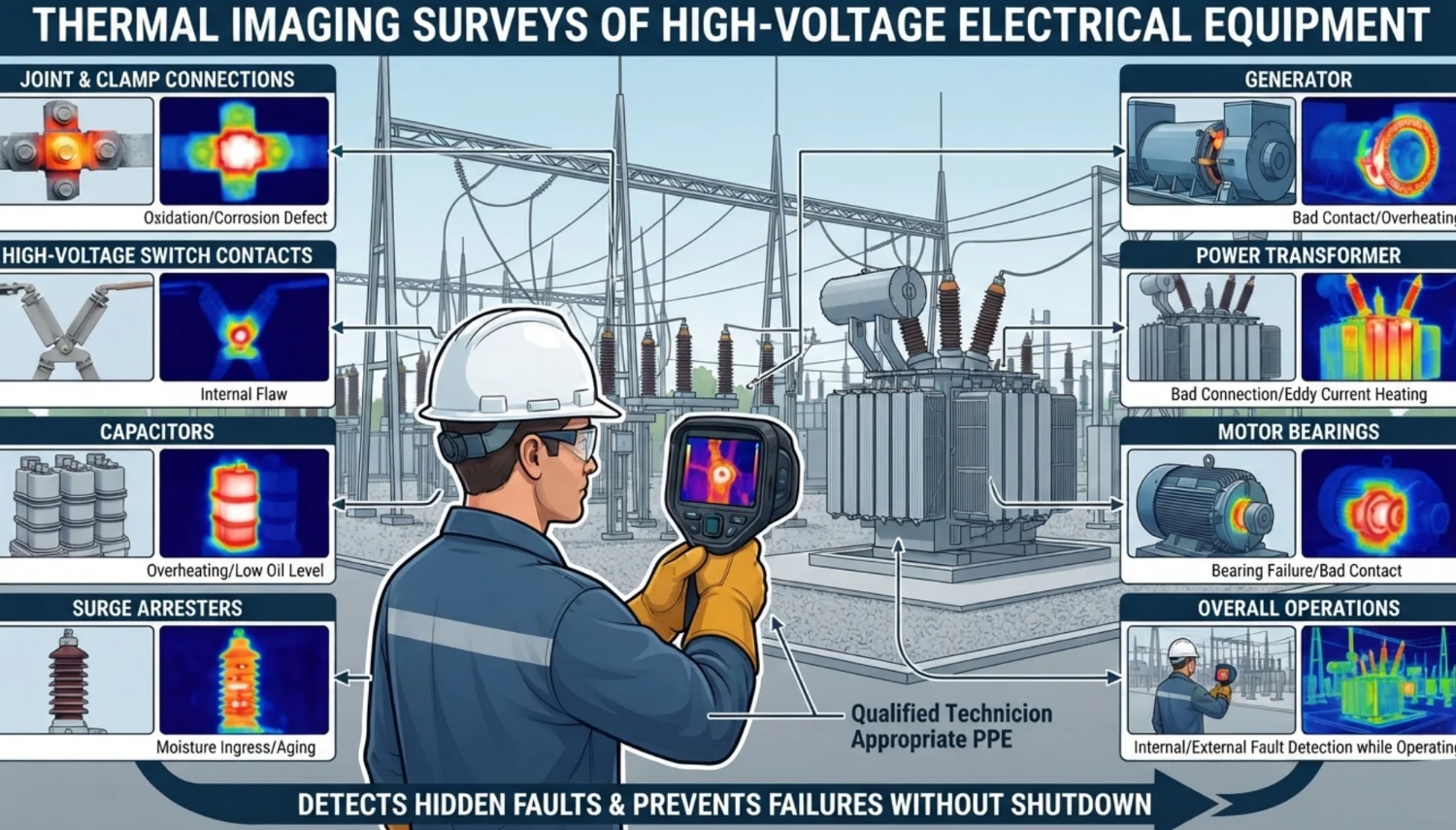
What Electrical Equipment Can Thermal Cameras Survey?
Here is a clearer, easier-to-understand breakdown of what thermal cameras can detect:
- General Operations: Finds internal and external equipment faults while the system is running.
- Joints and Clamps: Detects dangerous oxidation and corrosion at connection points.
- Switches: Identifies internal flaws in switch contacts and problems in isolating switch blades.
- Capacitors: Pinpoints overheating and detects issues like low oil levels or poor insulation.
- Surge Arresters: Finds internal moisture, aging components, and material degradation.
- Generators: Checks the health of brushes and collector rings and detects internal overheating.
- Transformers: Uncovers abnormal box heating, eddy current issues, and bad connections at casing terminals.
- Motors: Locates poor contact in bearings and abnormal internal or external overheating.