
- Actuators
- Adapters
- Air Blowers
- Air Conditioners
- Air Curtains
- Air Purifiers
- Anemometers
- Axial fans
- Ball Valves
- Belimo
- Blowers
- Brackets
- Brass
- Brazing Rods
- Capacitors
- Carrier Parts
- Clamp Meters
- Cleaning Products
- Coatings
- Compressors
- Condensate Pumps
- Connectors
- Contactors
- Copper Capillary
- Copper Coils
- Copper Straight Tubes
- Copper Strainers
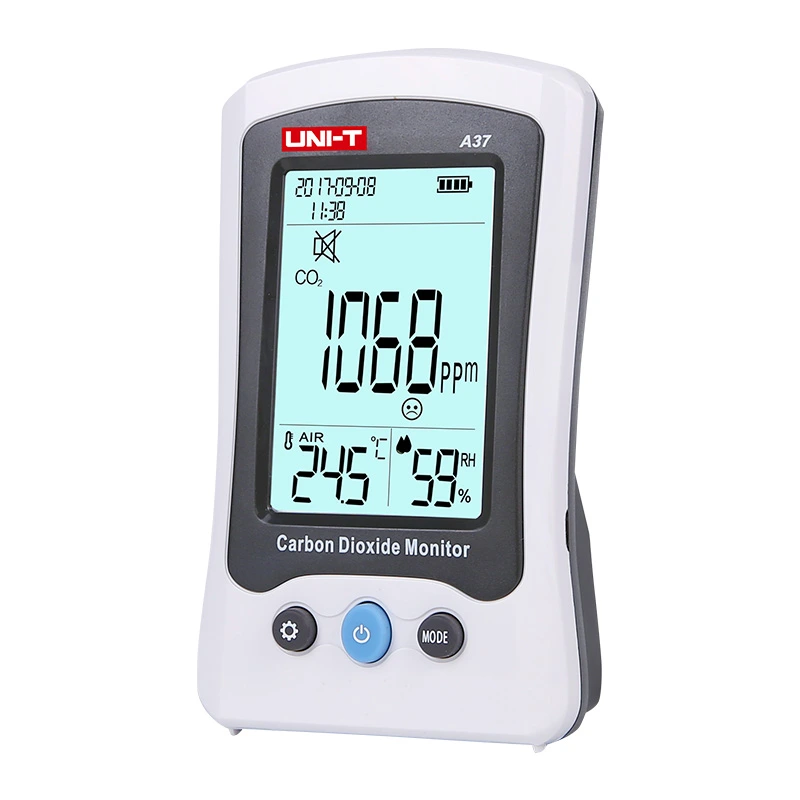
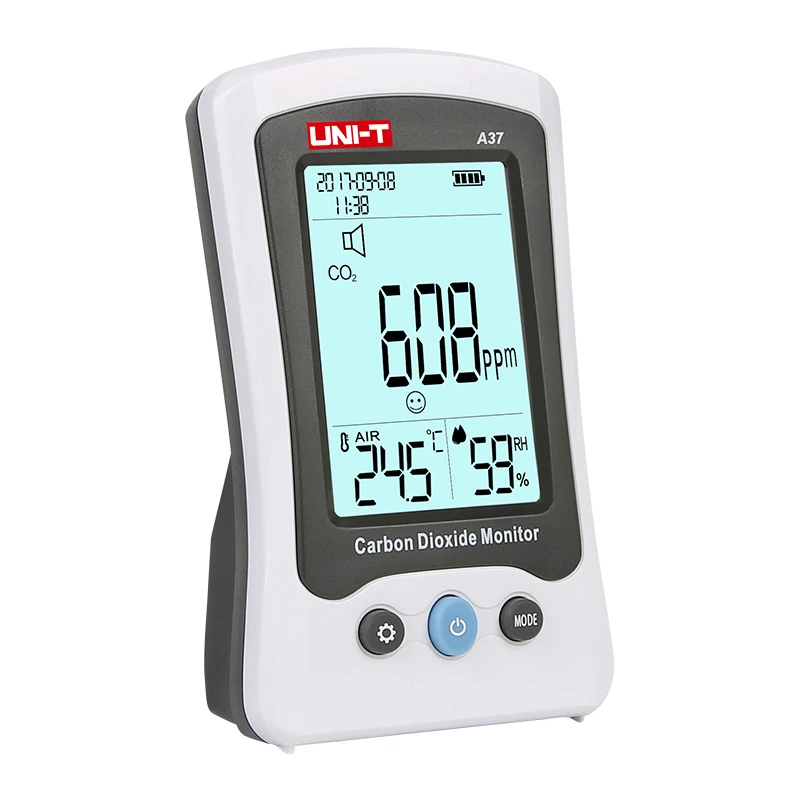
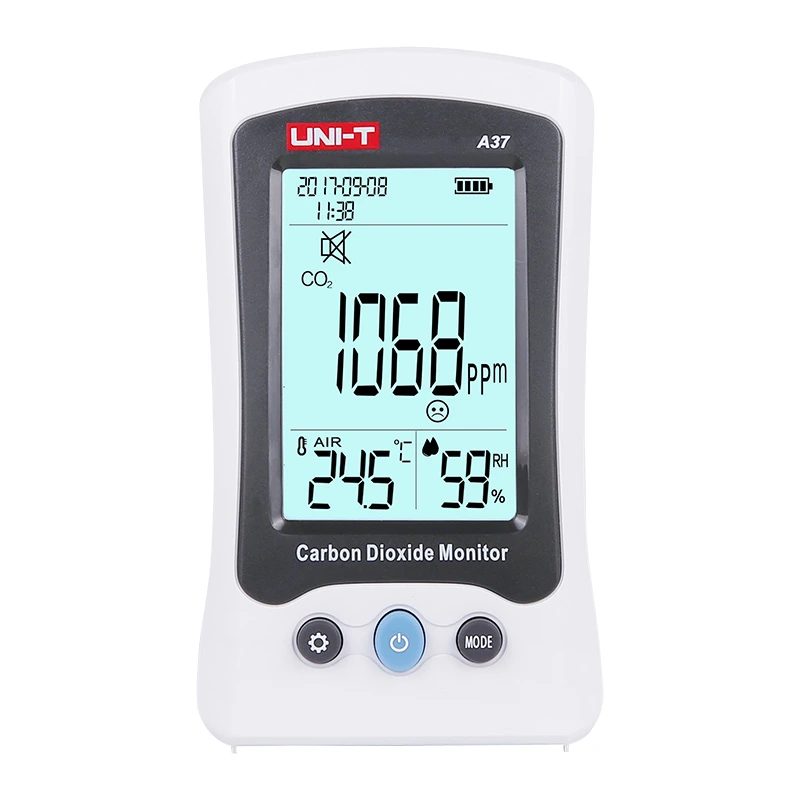
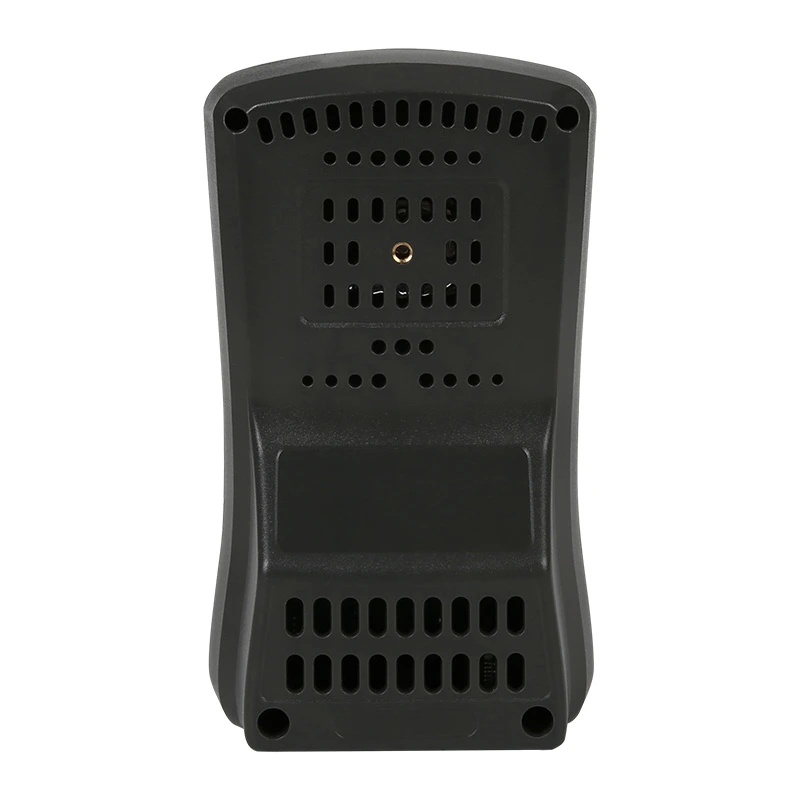
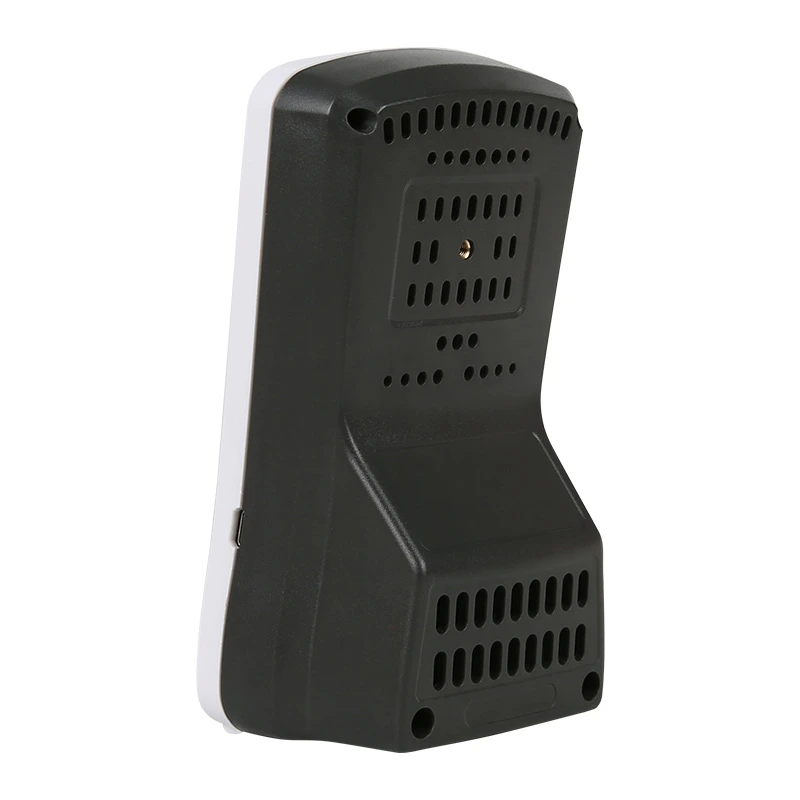
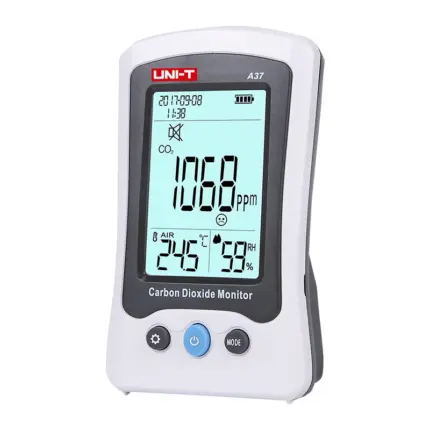
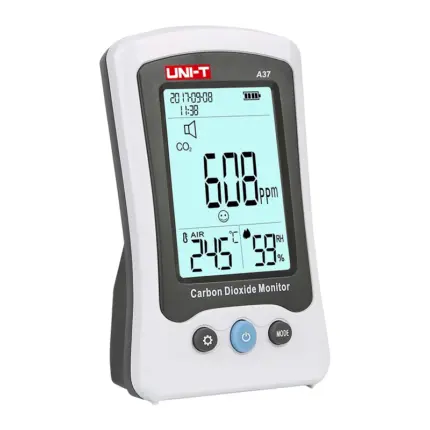
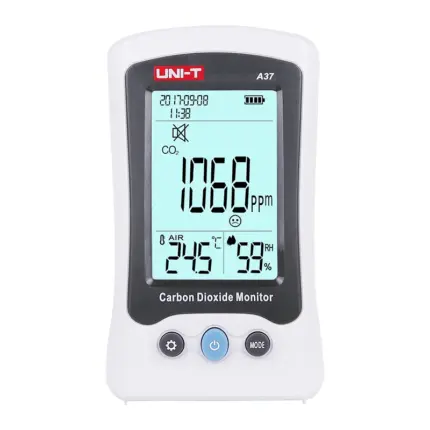
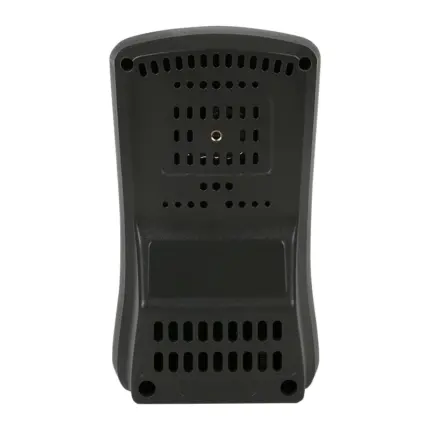
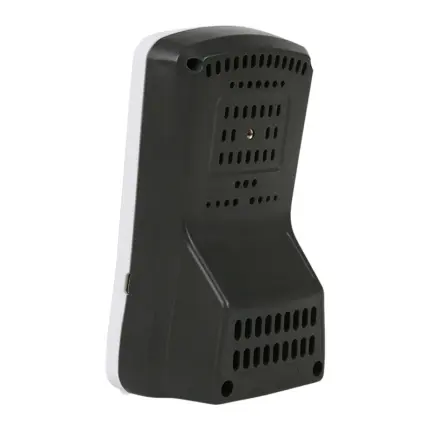
UNI-T A37 Digital CO2 (Carbon Dioxide) Meter : Non-Dispersive Infrared Sensor, Real-Time Temperature & Humidity Tracking with Audio-Visual Alarms
The UNI-T A37 Digital CO2 Meter is a professional air quality monitor engineered to keep indoor environments safe, healthy, and compliant with air exchange guidelines.
[fluentform id="1"]
Built with an advanced Non-Dispersive Infrared (NDIR) CO2 sensor, this instrument simultaneously measures carbon dioxide concentration, ambient temperature, relative humidity, and date/time on a clear, large screen. Whether it is used in deep indoor workspaces, classrooms, medical settings, or home offices, this tool provides instant confirmation of optimal ventilation.
Why UNI-T A37 Digital CO2 Meter Should Be Used & Preferred
Mitigate Sick Building Syndrome:
Poor ventilation leads to a heavy buildup of CO2, resulting in drowsiness, headaches, and decreased focus. This monitor alerts occupants the moment fresh air exchange is needed.
Instant Visual Intuition:
It leverages intuitive on-screen emoticons to indicate general air quality levels at a single glance, allowing anyone to understand current safety margins instantly.
Active Alert System:
Rather than relying on constant manual checks, the built-in audio and visual alarm system instantly triggers flashing alerts and buzzers when carbon dioxide thresholds are breached.
Maintenance-Free Accuracy:
Features integrated Automatic Baseline Correction (ABC), ensuring the internal sensor self-calibrates over long-term deployments without manual baseline drift over time.
Measurement Specifications
| Parameters | Measurement Range | Resolution | Accuracy |
|---|---|---|---|
| Carbon Dioxide (CO2) | 400ppm ~ 5000ppm | 1ppm | ±(5%rdg + 50ppm) from 400ppm~2000ppm(at ambient temp/humidity) |
| Temperature | -10.0°C ~ 50.0°C | 0.1°C | Typical accuracy: ±1°C |
| Relative Humidity | 0%RH ~ 99%RH | 1%RH | Typical accuracy: ±5%RH(10%RH~90%RH at 25°C) |
Core Device Features
- 01
Dual Power Delivery
Houses a rechargeable 3.7V Li-ion battery for cordless convenience, backed up by a micro USB port for permanent desktop power.
- 02
Auto Power Off (APO)
Conservatively powers down after 2 minutes of inactivity when operating on battery reserves to extend longevity.
- 03
Integrated Backlight
High-contrast background illumination guarantees seamless readings in dark projection rooms, bedrooms, or late-night facility checks.
- 04
Low Battery Indicator
Provides visible warning markers on the display so your critical monitoring is never abruptly halted by flat cells.
General & Mechanical Characteristics
- Display Dimensions:
- 42mm x 65mm clear LCD display matrix.
- Product Form Factor:
- Slim desktop profile measuring 75mm x 55mm x 130mm.
- Net Weight:
- Extremely lightweight at 195g, making it easy to relocate across rooms.
- Safety Certifications:
- Fully certified with CE and UKCA markers for assured manufacturing standards.
Advantages Over Nearest Competitors
High-End NDIR Architecture:
Unlike budget air monitors that use cheap, drift-prone volatile organic compound (VOC) sensors to approximate carbon dioxide, the A37 relies on a specialized NDIR sensor targeting the exact wavelength of CO2 molecules for genuine factual tracking.
Automatic Intelligent Calibration:
Many entry-level competitor models force you to take them outdoors manually or press hard pinhole buttons to calibrate the sensor baseline. The A37's integrated ABC algorithm automates this behind the scenes.
Cost-Efficient Power Infrastructure:
Eliminates the ongoing cost and hassle of changing standard AAA alkaline cells every few weeks. The rechargeable internal Li-ion battery and plug-and-play USB connection offer standard operations out-of-the-box.
Did You Know?
An NDIR (Non-Dispersive Infrared) sensor is a spectroscopic gas sensor used primarily to identify and measure the exact concentration of specific gas molecules, most commonly Carbon Dioxide (CO2).
Unlike basic chemical sensors that wear out over time, NDIR sensors rely entirely on light physics, making them highly accurate, long-lasting, and the gold standard for indoor air quality and HVAC monitoring.
🔬 How an NDIR Sensor Works (The Science)
Every gas molecule absorbs a very specific wavelength of infrared (IR) light. For example, CO2 molecules specifically absorb infrared light at a wavelength of 4.26 micrometers. NDIR sensors exploit this trait using four main components inside a small optical chamber:
- The IR Light Source: A small infrared lamp or LED fires a beam of light down a hollow tube.
- The Light Chamber: The gas sample flows into this chamber. As the light travels through it, any target gas molecules (like CO2) will absorb some of that infrared light.
- The Optical Filter: At the end of the tube, a specialized optical filter blocks out all other wavelengths of light, allowing only the specific 4.26-micrometer wavelength to pass through.
- The IR Detector: This detector measures how much light successfully made it through the chamber.
The Formula: If there is a high concentration of the target gas in the chamber, more light is absorbed, and less light hits the detector. The sensor calculates this difference to determine the exact gas level (measured in parts per million, or PPM).
🌟 Key Advantages of NDIR Sensors
High Specificity:
Because it relies on the unique optical signature of a molecule, an NDIR sensor will not get "confused" by other gases or humidity fluctuations.
Exceptional Longevity:
Because the gas never physically or chemically reacts with the sensor components, there is no chemical degradation. These sensors can easily last over 10 to 15 years.
Low Maintenance:
Most modern NDIR sensors feature Automatic Baseline Correction (ABC) software algorithms that self-calibrate over time, preventing baseline drift.
Safe Operations:
They are non-destructive and do not require chemical reagents or high heat to cause a chemical reaction.
🏙️ Where Are They Used?
Indoor Air Quality (IAQ):
Found in premium monitors like the UNI-T A37 to track ventilation safety margins in classrooms, offices, and homes.
HVAC Systems:
Installed in smart building ventilation ducts to automatically spin up fresh-air intake fans only when human breathing drives CO2 levels up (saving massive amounts of energy).
Industrial and Cold Chain Safety:
Used in greenhouses to optimize plant growth, and in agricultural storage to monitor fruit ripening and fermentation gases.