
- Actuators
- Adapters
- Air Blowers
- Air Conditioners
- Air Curtains
- Air Purifiers
- Anemometers
- Axial fans
- Ball Valves
- Belimo
- Blowers
- Brackets
- Brass
- Brazing Rods
- Capacitors
- Carrier Parts
- Clamp Meters
- Cleaning Products
- Coatings
- Compressors
- Condensate Pumps
- Connectors
- Contactors
- Copper Capillary
- Copper Coils
- Copper Straight Tubes
- Copper Strainers
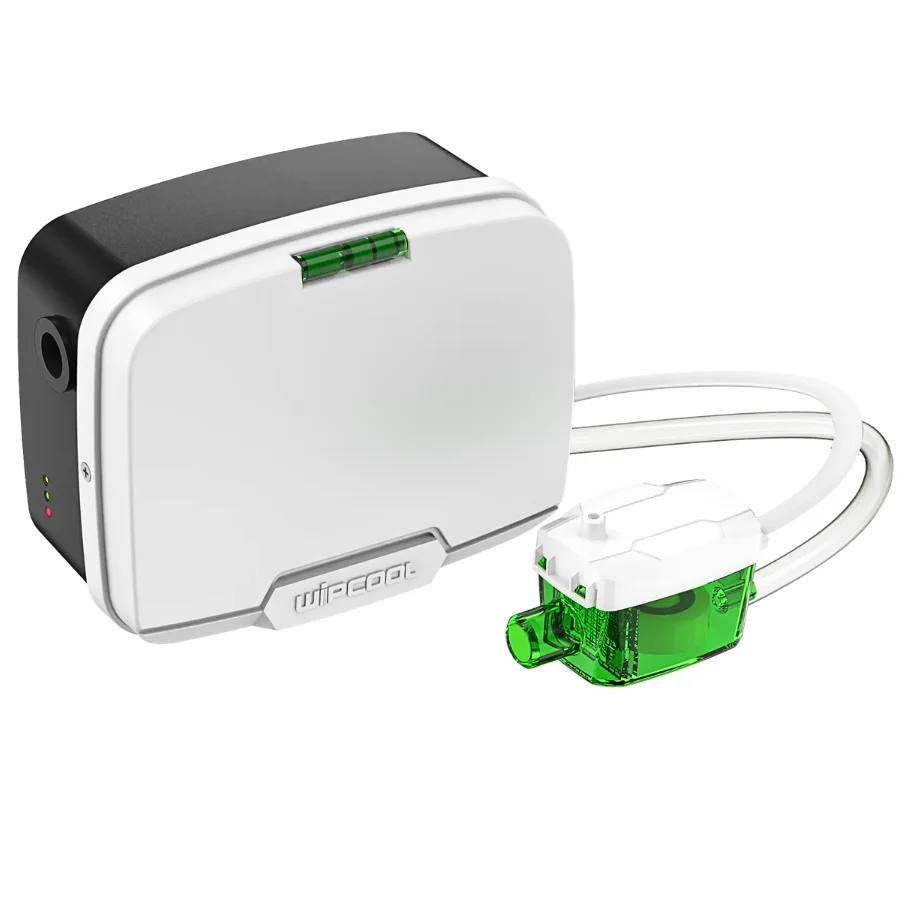
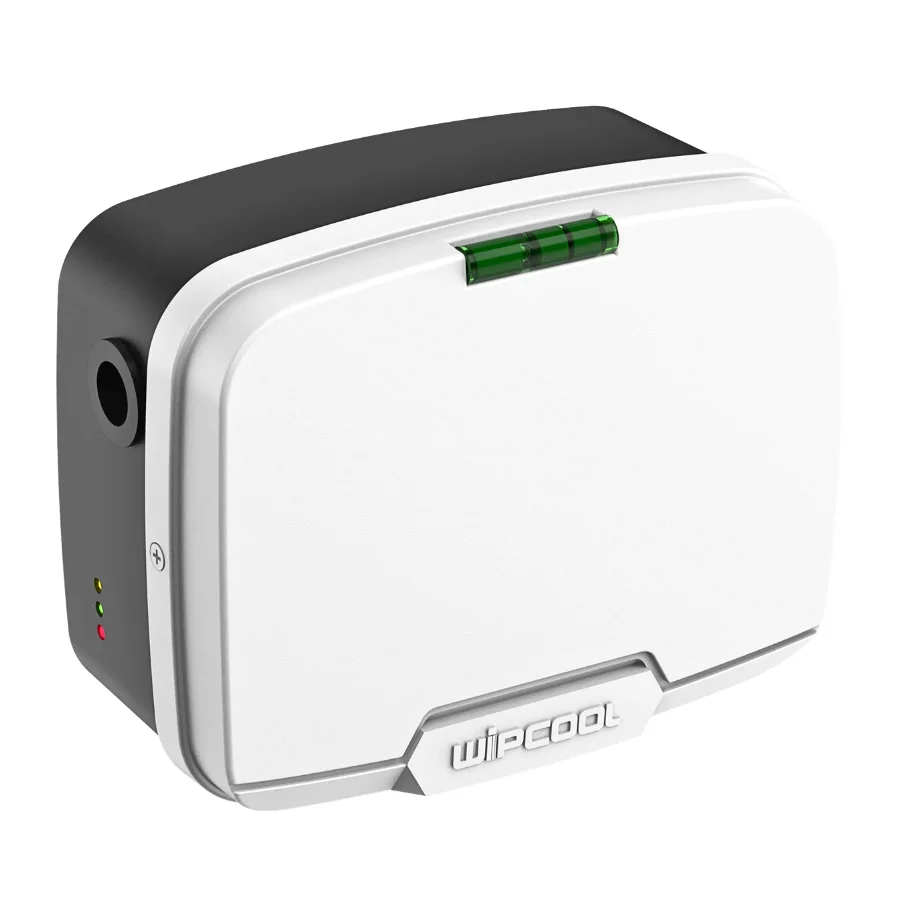
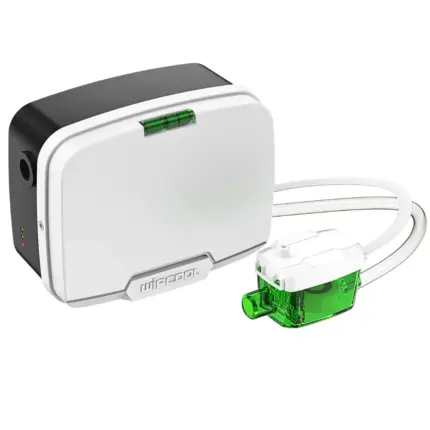
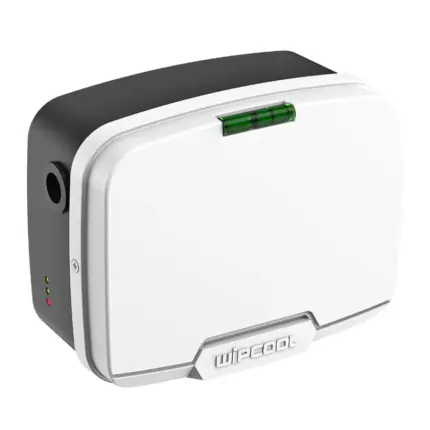
WIPCOOL P15J Condensate Atomization Pump
Specialized Atomization Treatment for HVAC/R Condensate
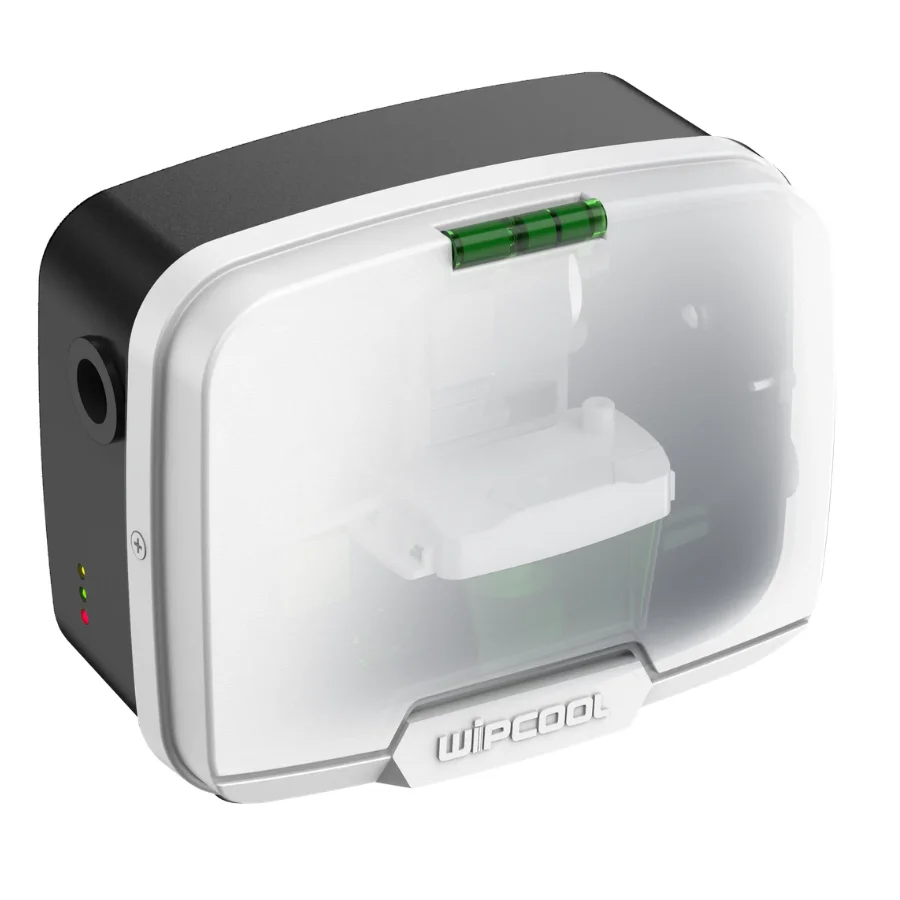
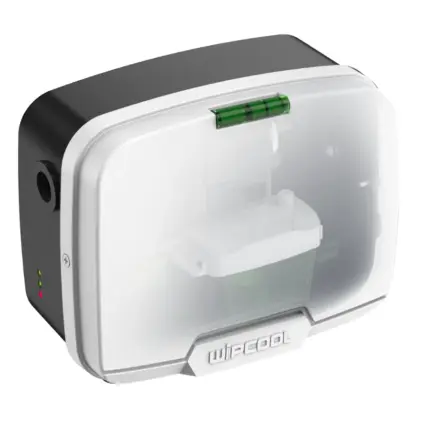
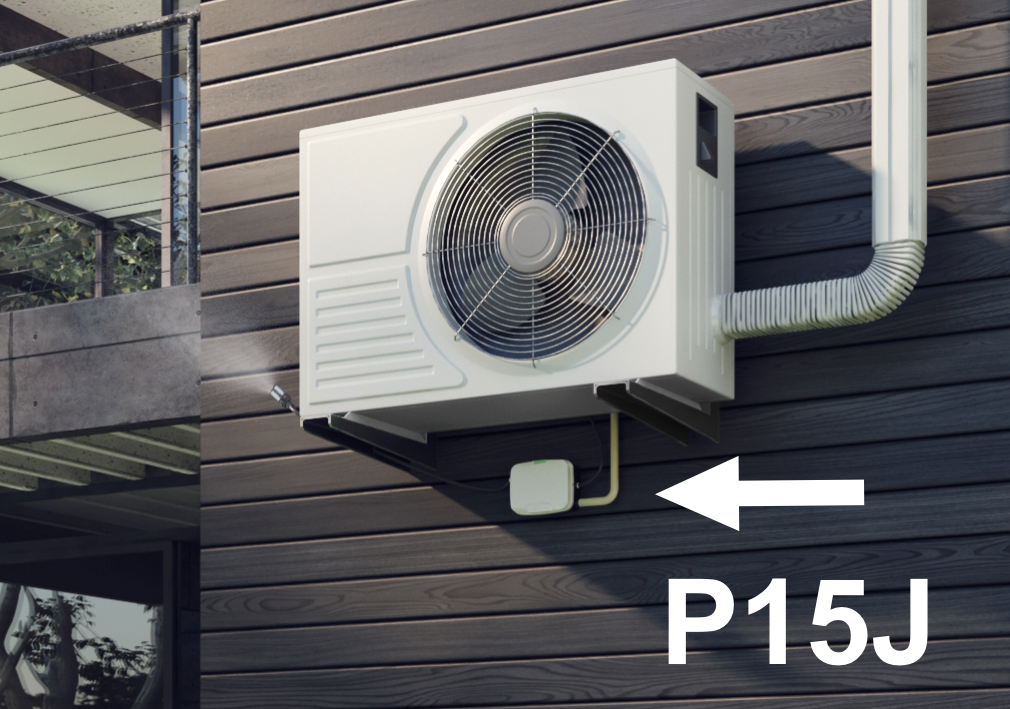
P15J is for atomizing air conditioner condensate drainage. The system consists of only a few elements to reduce the risk of malfunctions and failures. A central apparatus (pump and diaphragm) protected by a white box, a tube to collect the discharge water, a small tube to dispose of the mist and an end nozzle that only need connecting together to solve the condensate drainage problem in a practical, fast and cost-effective way.
[fluentform id="1"]
Technical Data
|
Model: |
 P15J |
 Tank Capacity: |
 35ml |
|
Voltage: |
230V~/50-60Hz 100-120V~/50-60Hz |
Mini Splits up to: |
30,000btu/hr |
|
Flow Rate(Max.): |
15L/h(2Â nozzles) |
Sound Level at 1m: |
55dB(A) |
|
Pressure: |
7bar |
Pressure: |
35W |
| Suction lift(Max.) |
1.5m(5ft) |
Ambient Temp: |
0℃-50℃ |
In the context of the WIPCOOL P15J Condensate Atomization Pump, the process of atomization is a high-pressure, single-fluid hydraulic breakup designed to dispose of air conditioner drainage water through evaporation.
Â
The specific mechanical process occurs through the following steps:
Â
1. Water Collection
The air conditioner's condensation drains directly into a tiny 35ml integrated tank. This eliminates the need for long, traditional drainage pipe installations.
2. High-Pressure Pressurization
The system utilizes a 35W internal pump and diaphragm to pressurize the collected water. It forces the liquid up to a maximum mechanical pressure of 7 bar (roughly 101 PSI).
3. Orifice Acceleration
The heavily pressurized water is forced through a small discharge tube out into two specialized end nozzles. As the water passes through the tiny nozzle orifices, its pressure potential energy instantly converts into high-velocity kinetic energy.
4. Hydraulic Breakup (Mist Formation)
As the high-velocity stream of water exits the nozzle, it violently clashes with the stagnant outdoor air. This aerodynamic drag creates intense friction, ripping the continuous stream into an ultra-fine mist.
5. Flash Evaporation and Cooling
The resulting mist maximizes the surface area of the water, allowing it to instantly evaporate into the air. When sprayed near the outdoor AC unit, this rapid water evaporation absorbs substantial heat from the environment, which lowers the surrounding temperature and enhances the overall refrigeration effect of your AC system.