
- Actuators
- Adapters
- Air Blowers
- Air Conditioners
- Air Curtains
- Air Purifiers
- Anemometers
- Axial fans
- Ball Valves
- Belimo
- Blowers
- Brackets
- Brass
- Brazing Rods
- Capacitors
- Carrier Parts
- Clamp Meters
- Cleaning Products
- Coatings
- Compressors
- Condensate Pumps
- Connectors
- Contactors
- Copper Capillary
- Copper Coils
- Copper Straight Tubes
- Copper Strainers
What happens to air conditioning in high humidity?

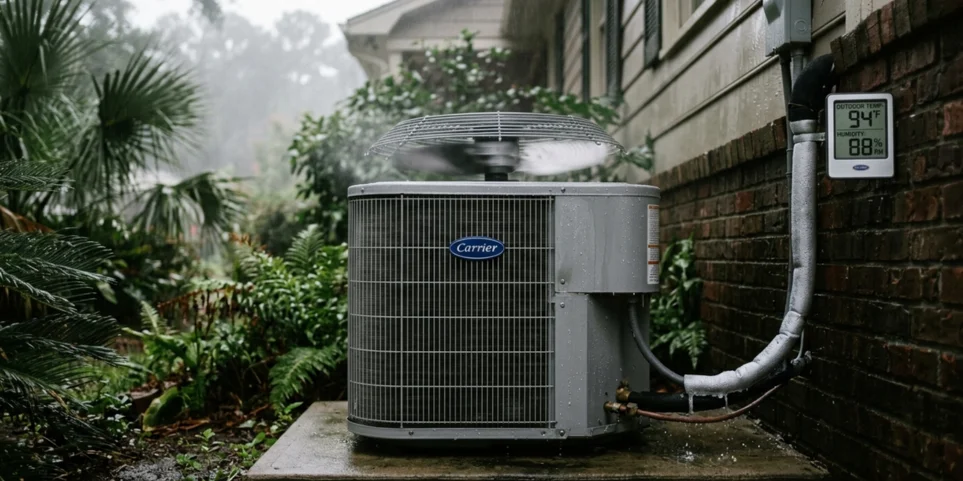
What happens to air conditioning in high humidity?
An air conditioner works much harder and less efficiently in high humidity because it must continuously remove massive amounts of airborne moisture before it can effectively lower the indoor temperature.
1. Reduced Cooling Efficiency
An air conditioner has two jobs: lowering air temperature (sensible cooling) and removing moisture (latent cooling) . When humidity is high, the system redirects most of its energy toward condensing water vapor out of the air. Because so much energy is spent on dehumidification, the unit takes significantly longer to actually lower the room temperature.
2. High Energy Bills
Because the system must run prolonged, uninterrupted cycles to tackle the moisture load, its overall energy consumption spikes. The compressor and fan motors run for extended periods without reaching the thermostat’s set point, leading to a noticeable increase in your monthly electricity costs.
3. Frozen Evaporator Coils
High humidity introduces an excessive volume of moisture into the indoor AC unit. If the system has restricted airflow—often caused by a dirty air filter—the moisture will rapidly freeze onto the cold evaporator coils. This ice buildup acts as a barrier, completely blocking heat transfer and causing the system to blow warm air.
4. Overflooding and Water Leaks
As the AC pulls water from the humid air, the moisture drips into a condensate drain pan and flows outside. In extremely humid conditions, this water production can reach several gallons a day. If the drain line contains even a minor clog of algae or dust, the pan will quickly overflow, causing water damage to your walls or ceilings.
5. Clammy Indoor Air
If an air conditioner is oversized for the space it cools, it will lower the temperature too quickly and shut off before it has a chance to remove the moisture. This results in “short-cycling,” leaving the indoor air feeling cold, damp, and clammy, which promotes mold growth and musty odors.
The Steps to Help Your Air Conditioner During High Humidity
1. Optimize Your AC Settings
- Set the fan to “Auto”: Never leave the AC fan setting on “On” during high humidity. The “On” setting keeps the fan blowing continuously, which re-evaporates the water sitting on the wet cooling coils right back into your home before it can drain away.
- Use “Dry” mode: If your remote or thermostat has a raindrop icon or a “Dry” setting, turn it on. This mode slows down the indoor fan speed, allowing the air to spend more time against the cold coils to extract maximum moisture.
2. Maintain Maximum Airflow
- Change or Clean the filter monthly: A clogged filter chokes airflow. This causes the cooling coils to get too cold, turning the high moisture into ice and freezing up your system.
- Clear the outdoor unit: Keep plants, weeds, and debris at least two feet away from your outside compressor so it can easily exhaust heat.
- Keep all vents open: Closing registers in unused rooms alters the system’s pressure and slows down airflow, which reduces its ability to dehumidify.
3. Install Condensate Pumps
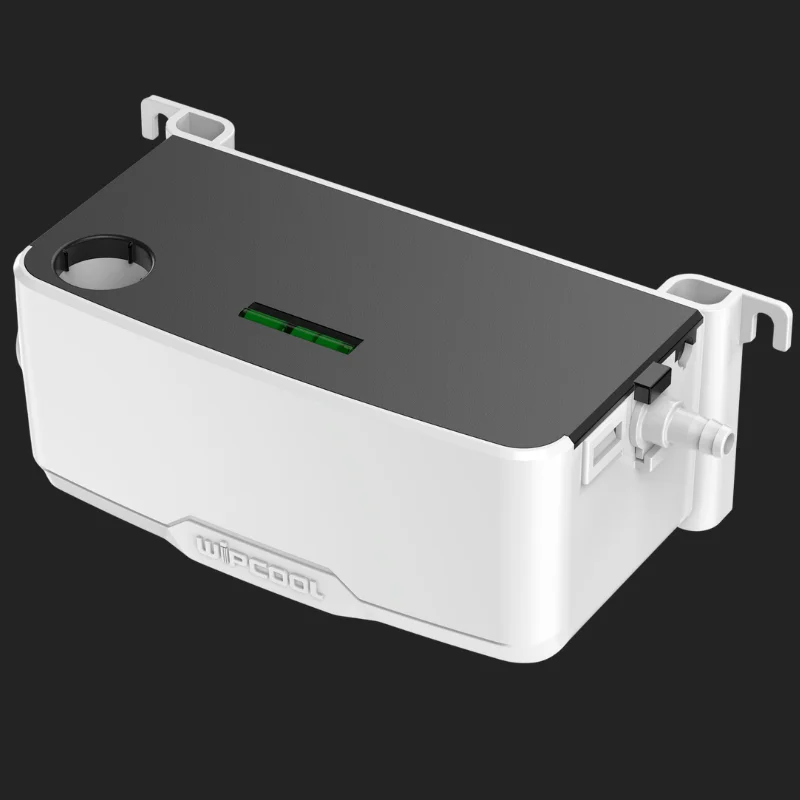
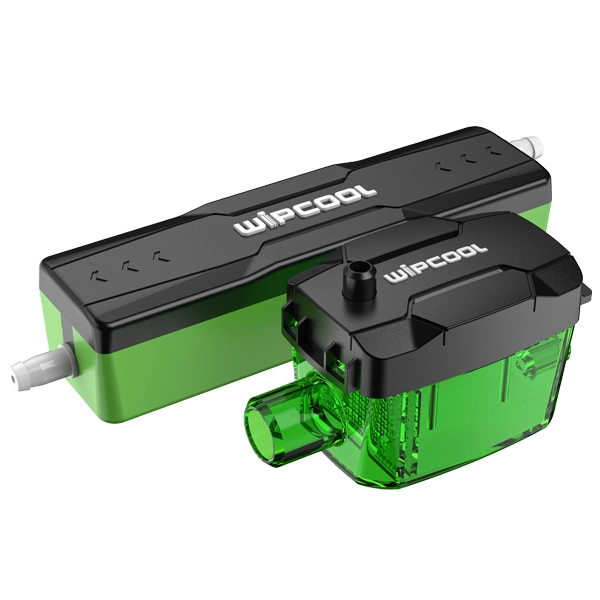
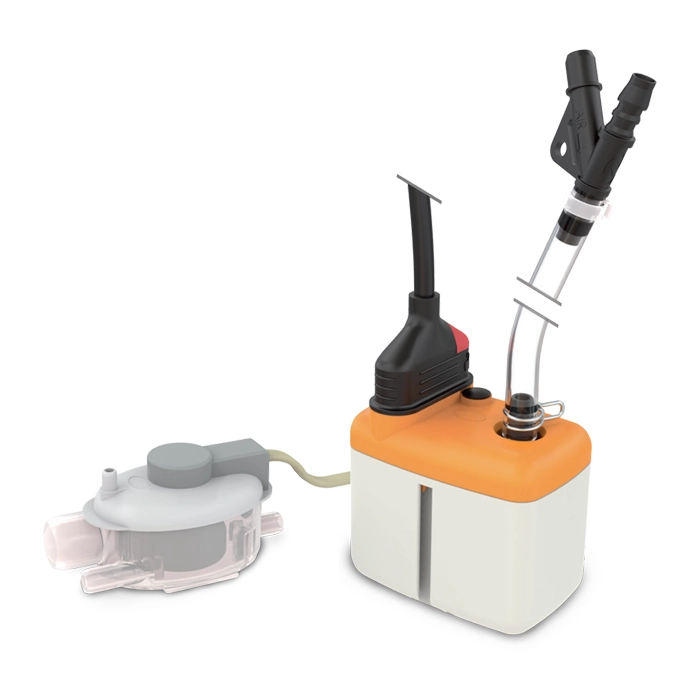
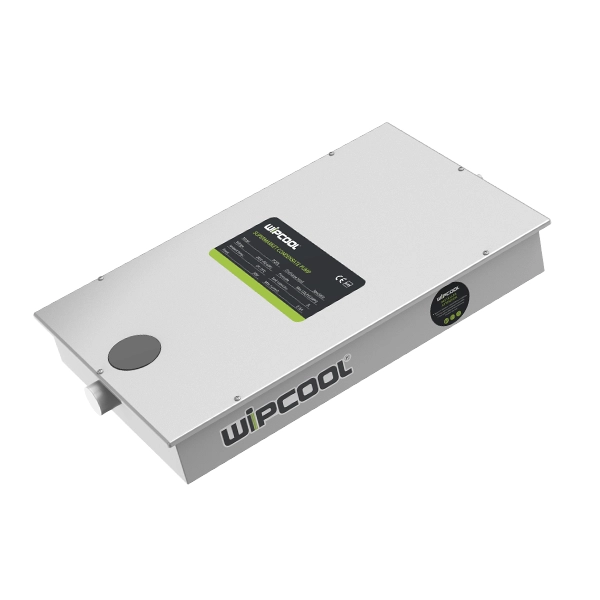
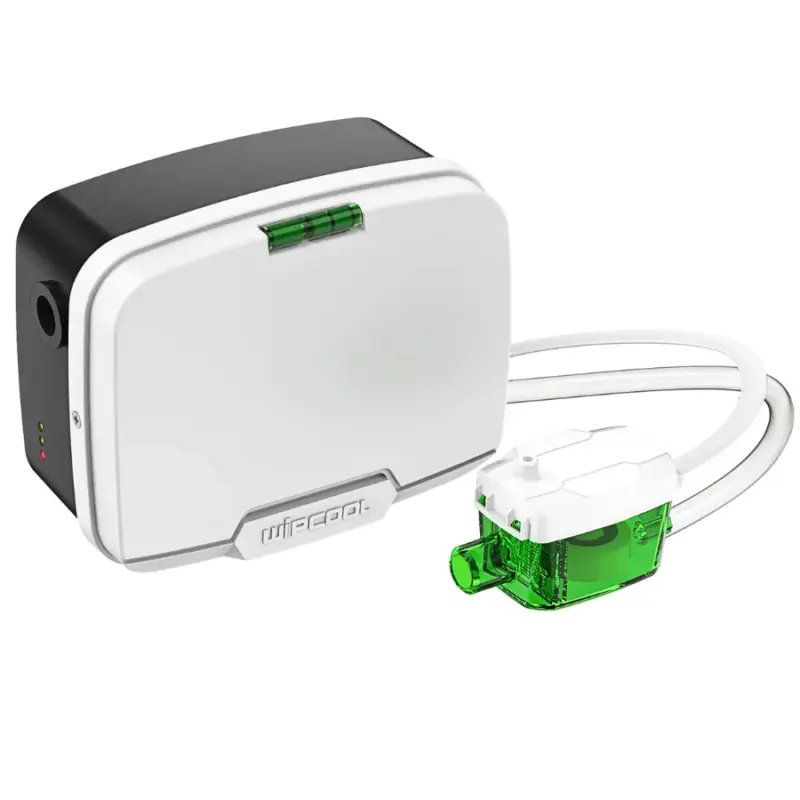
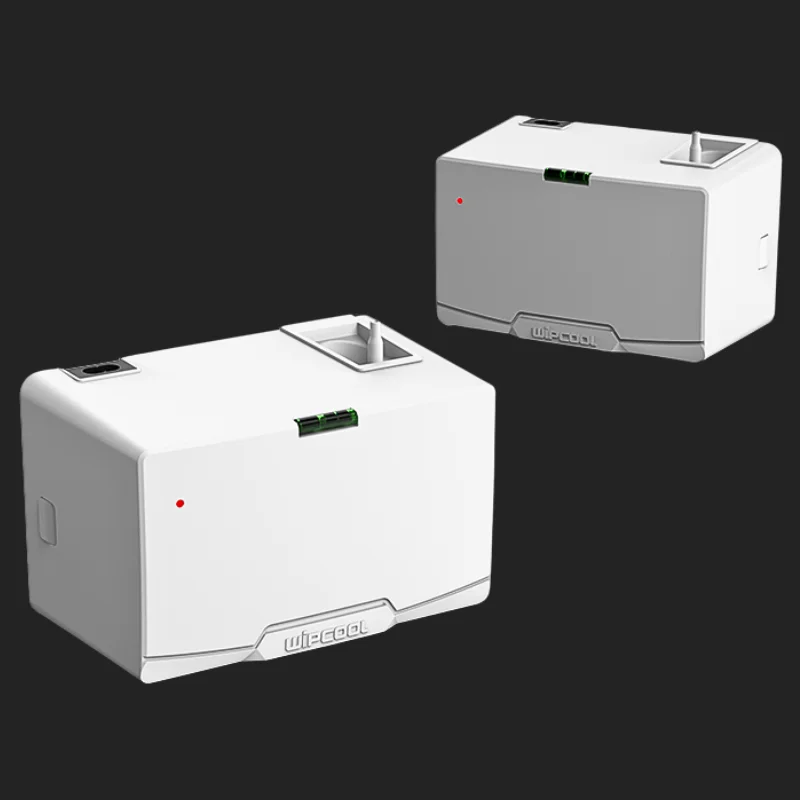
Condensate pumps help an air conditioner during high humidity by preventing water backups and system shutdowns, though they do not actively remove moisture from the air themselves.
During high humidity, an AC generates gallons of excess water. A condensate pump ensures this water is safely and continuously pumped out of your home.
How They Protect Your AC System
- Prevents Automatic Shutdowns: Modern AC units have safety float switches in the drain pan. In high humidity, gravity drains can easily get overwhelmed or clogged by algae. A condensate pump forcefully moves the water out, preventing the pan from overflowing and tripping the safety switch that shuts your cooling off.
- Allows Flexible Drainage: If your AC is located in a basement, interior closet, or crawl space where gravity cannot naturally pull the water downhill to an outside drain, a pump is mandatory. It pushes the heavy moisture load upward and outward through flexible tubing.
- Combats Algae and Mold Sludge: High humidity combined with stagnant water creates a breeding ground for slime. Because a condensate pump regularly flushes the water out under pressure, it helps prevent the thick sludge that typically plugs up standard gravity drain lines.
What a Condensate Pump Cannot Do
It is important to note that a condensate pump does not increase the cooling or dehumidification capacity of your AC. The air conditioner’s evaporator coil handles the actual work of pulling water out of the air. The pump simply acts as the disposal system for that water.
4. Use Condensate Drain Pan Tablets or Pills
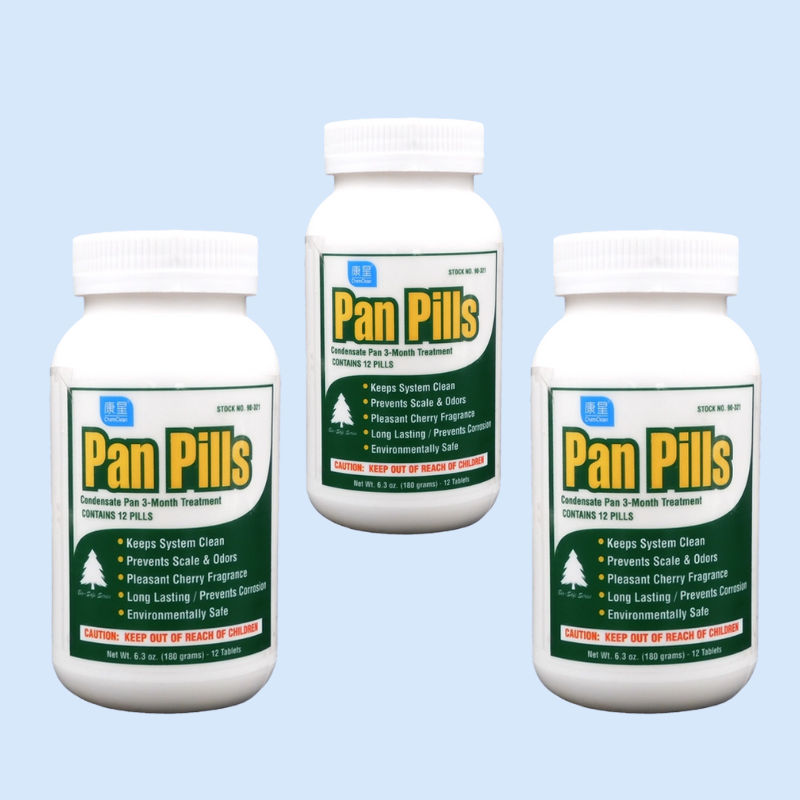
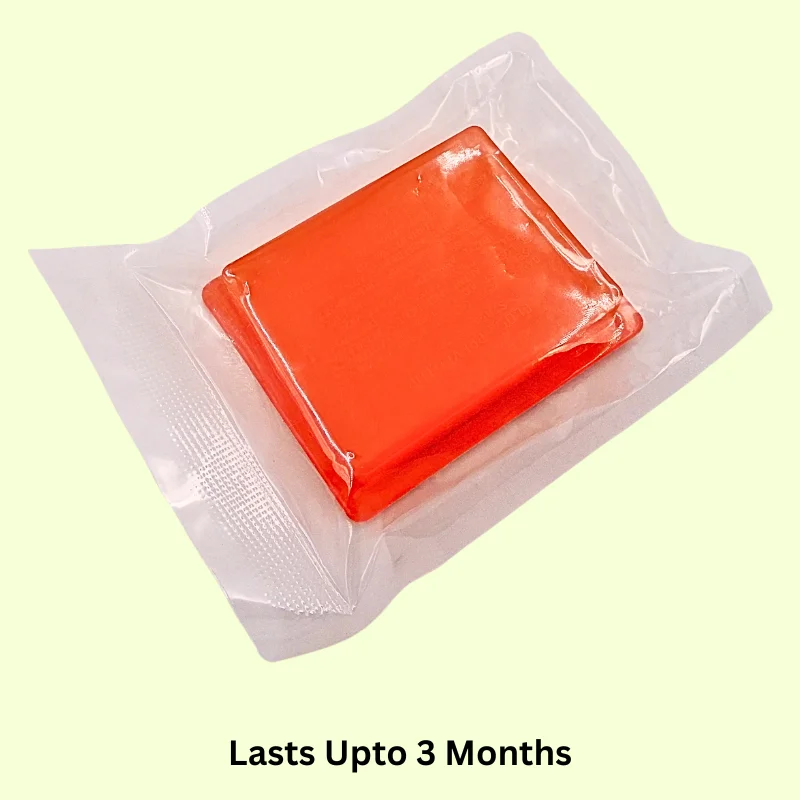
During high humidity and excessive water flow into the HVAC condensate drain pans,
condensate drain tablets are highly effective at keeping drain pans clean and preventing clogs, but they work as a preventive measure rather than a heavy-duty cleaner.
How They Keep the Pan Clean
- Kills Algae and Slime: The dark, wet environment of an AC drain pan is a breeding ground for bacteria, mold, and “snot-like” algae. As water pools in the pan, the tablet slowly dissolves, releasing a time-released biocide or enzyme blend that kills these microbes before they can congeal into a thick sludge.
- Keeps Water Flowing: By stopping biological growth at the source, the treated water washes smoothly down the drain line. This prevents the jelly-like blockages that typically cause drain pans to overflow and trigger your AC’s automatic safety shutdown.
- Eliminates Musty Odors: Stagnant, microbe-filled water produces a sour, musty smell that gets sucked into your HVAC system and blown throughout your house. The tablets eliminate the odor-causing bacteria, keeping your indoor air smelling fresh.
Critical Rules for Using Tablets
- They do not clear pre-existing clogs: If your drain line is already blocked or your pan is full of old sludge, dropping a tablet in will not fix it. You must first flush or vacuum out the line (using a wet/dry shop vac) and clean the pan before the tablets can do their job.
- Placement matters: Place the tablet directly into the condensate pan as far away from the drain hole as possible. If you place it right next to the hole, it can physically block the opening or dissolve too quickly, failing to treat the rest of the pan.
- Check the replacement schedule: Depending on the brand, standard HVAC tablets like those from https://wearehvac.com/drain-pan-pills-clog-eliminator/ last anywhere from 30 to 90 days. During peak high-humidity seasons, they dissolve faster because of the continuous rush of water, requiring more frequent replacements.