
- Actuators
- Adapters
- Air Blowers
- Air Conditioners
- Air Curtains
- Air Purifiers
- Anemometers
- Axial fans
- Ball Valves
- Belimo
- Blowers
- Brackets
- Brass
- Brazing Rods
- Capacitors
- Carrier Parts
- Clamp Meters
- Cleaning Products
- Coatings
- Compressors
- Condensate Pumps
- Connectors
- Contactors
- Copper Capillary
- Copper Coils
- Copper Straight Tubes
- Copper Strainers
Condensate Overflow Switch

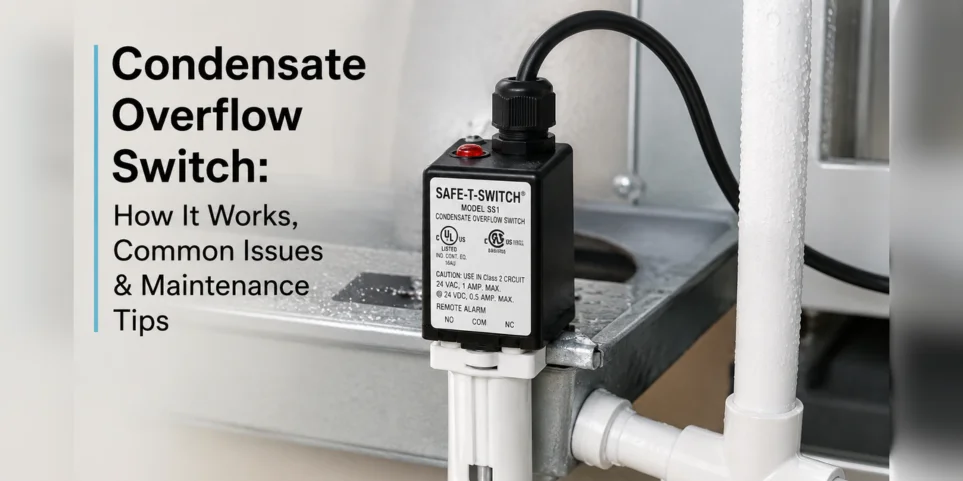
Condensate Overflow Switch
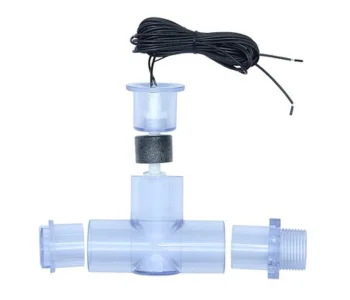
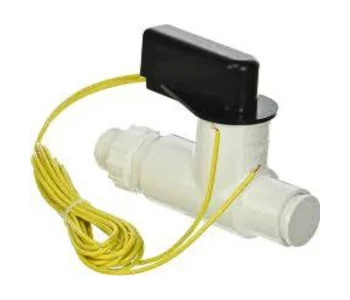
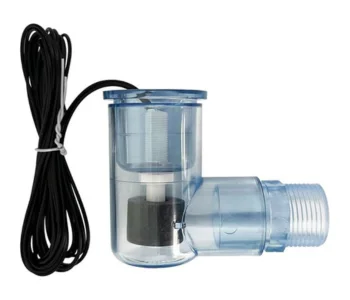
A condensate overflow switch (often called a float switch or overflow safety switch) is an emergency safety device installed in an air conditioning or fan coil system to prevent water damage caused by clogged drain lines.
How It Works
- Normal Operation: As an AC unit cools, it creates condensation on the evaporator coil. This water drips into a primary drain pan and flows away out of the building via a PVC drain line.
- The Problem: Over time, algae, dirt, dust, and debris can clog that drain pipe. When this happens, water backs up inside the drain pan.
- The Switch Triggers: The overflow switch is installed directly in the secondary/overflow drain port or inside the pan. It contains a small buoyant float mechanism. When the water level rises to a dangerous level, the float rises with it.
- Safety Shutdown: Rising past a preset threshold trips an internal switch mechanism (often opening or closing a volt-free / dry contact circuit). This immediately cuts power to the thermostat, cooling circuit, or compressor, stopping the AC from producing any more water before the pan overflows into your ceiling or walls.
Common Types of Overflow Switches
A condensate overflow switch (often called a float switch or overflow safety switch) is an emergency safety device installed in an air conditioning or fan coil system to prevent water damage caused by clogged drain lines.
- Normal Operation: As an AC unit cools, it creates condensation on the evaporator coil. This water drips into a primary drain pan and flows away out of the building via a PVC drain line.
- The Problem: Over time, algae, dirt, dust, and debris can clog that drain pipe. When this happens, water backs up inside the drain pan.
- The Switch Triggers: The overflow switch is installed directly in the secondary/overflow drain port or inside the pan. It contains a small buoyant float mechanism. When the water level rises to a dangerous level, the float rises with it.
- Safety Shutdown: Rising past a preset threshold trips an internal switch mechanism (often opening or closing a volt-free / dry contact circuit). This immediately cuts power to the thermostat, cooling circuit, or compressor, stopping the AC from producing any more water before the pan overflows into your ceiling or walls.
Common Types of Overflow Switches
- Inline Pipe Switches: Installed directly on the secondary condensate drain pipe outlet. If the main drain backs up, water flows into the secondary line and trips the switch.
- Pan-Mounted Switches: Clamped directly onto the side of the secondary drip pan. They trip as soon as water begins pooling in the secondary pan.
- Electronic / Probe Switches: Use sensors to detect water presence electrically rather than relying on a moving mechanical float.
Should condensate pumps be used in conjunction with condensate overflow switches?
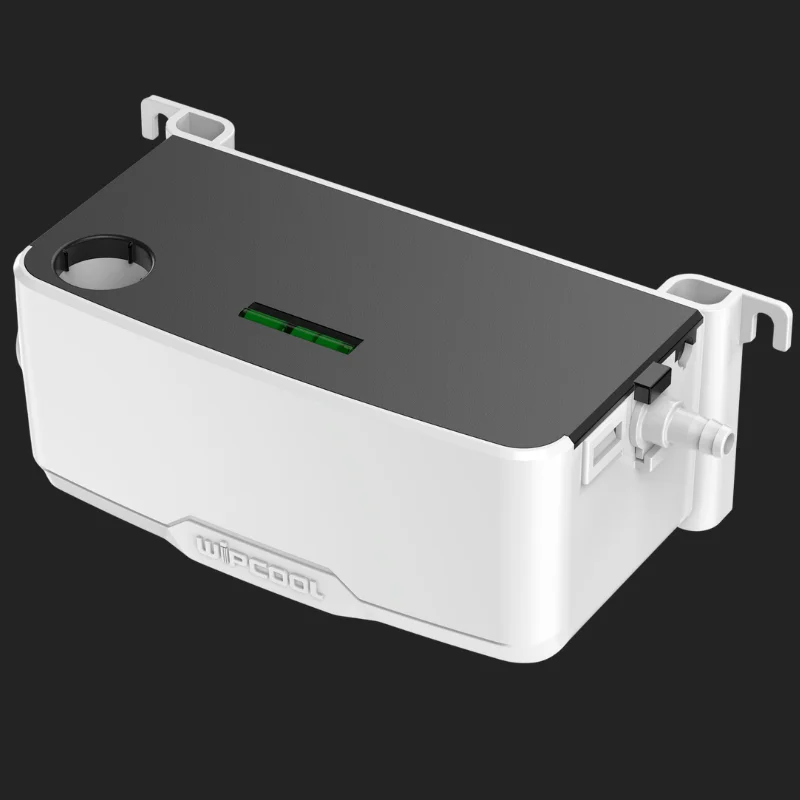
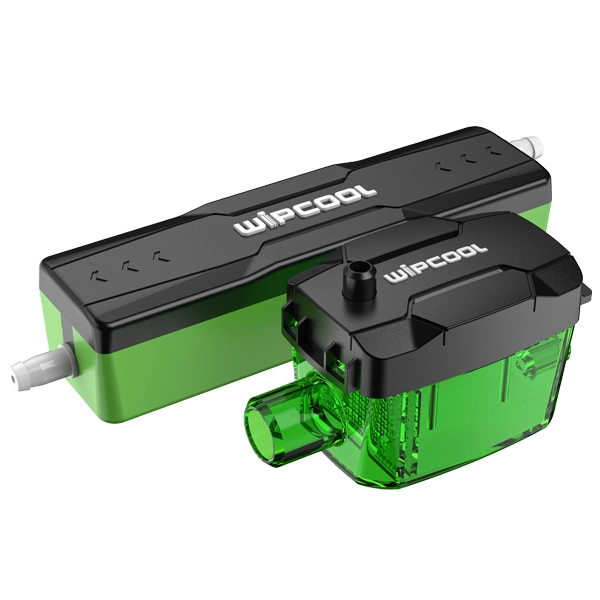
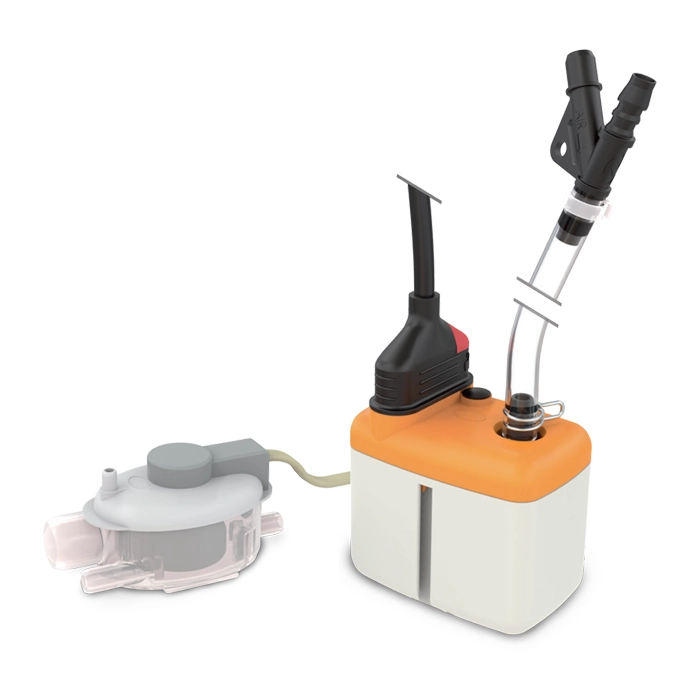
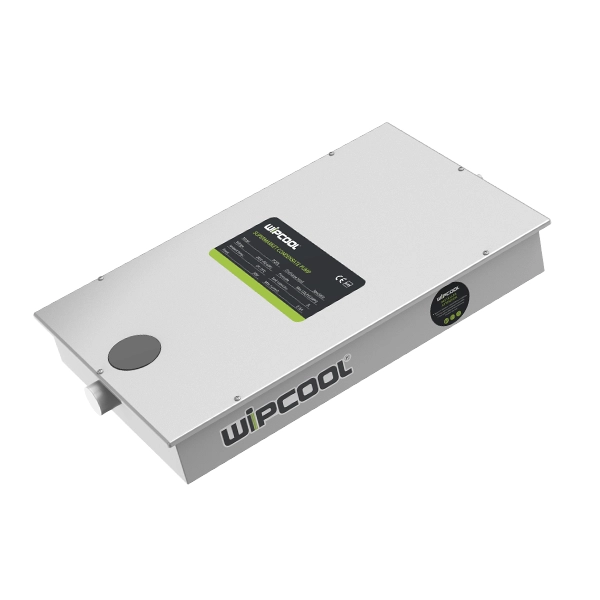
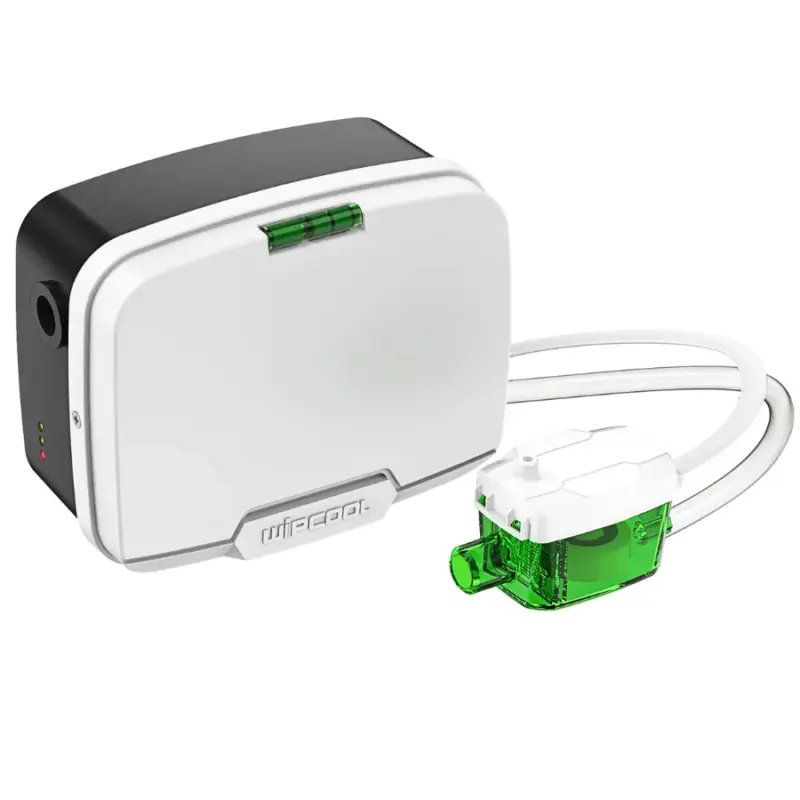
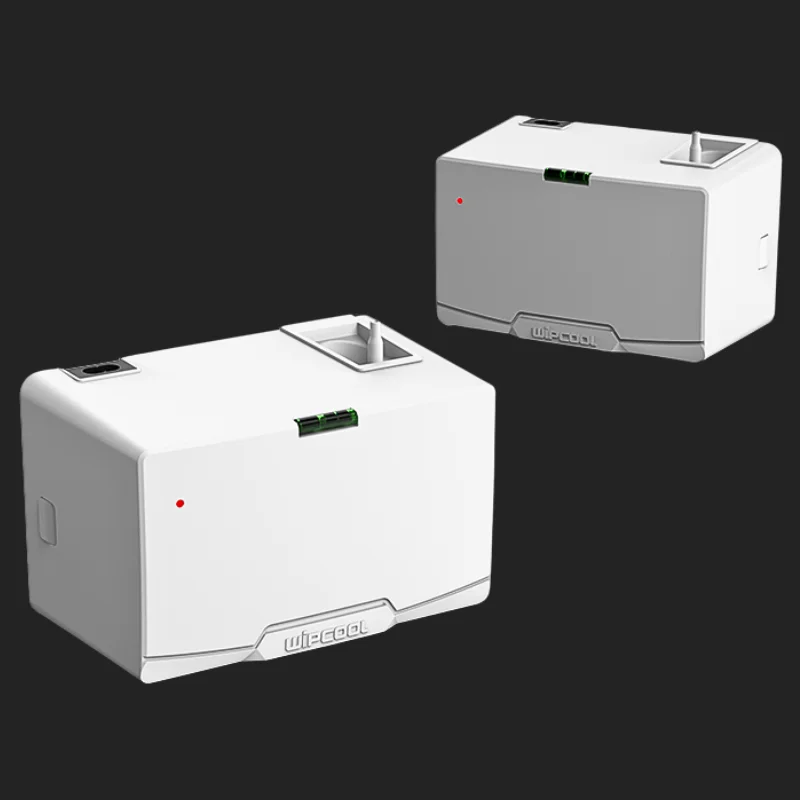
Yes, absolutely. Not only can they be used together, but pairing a condensate pump with an overflow switch is standard practice and best installation procedure for HVAC and refrigeration systems.
They work as a two-tiered protection team to handle condensate water and prevent property damage:
1. How They Work Together
- Tier 1: The Condensate Pump (Active Removal)
- Role: Primary water management.
- Function: In installations where gravity drainage isn’t possible (e.g., in basements, high-wall split units, or long pipe runs), gravity feeds the drain water into the pump’s small reservoir. Once the water hits a set level, the pump turns on and actively pushes the water up and out through flexible tubing.
- Tier 2: The Condensate Overflow Switch (Safety Backup)
- Role: Disaster prevention.
- Function: Pumps can eventually fail due to motor breakdown, power outages, clogged impellers, or a kinked discharge line. The overflow switch (either built into the pump itself or installed upstream in the drain pan) acts as the fail-safe. If the pump stops working and water continues to rise, the switch trips and safely shuts down the cooling equipment before water spills over.
2. Common Ways They Are Integrated
- Built-In Safety Switch (Most Popular): Many quality condensate pumps come with a built-in safety overflow switch integrated into the pump housing. The pump has separate high-voltage leads for power and a pair of low-voltage safety wires (NC / Dry Contacts).
- External Inline/Pan Switch: If the pump does not have an integrated switch, an external float switch is installed on the drain line or pan before the pump.
3. How to Wire Them
To ensure the switch actually stops water production when the pump fails, it should be wired in one of two ways:
- Breaking the Low-Voltage Control Line: The safety switch wires are connected in series with the unit’s 24V Control Wire (or directly to safety/digital inputs like D1 & GND on digital controllers). When the pump overflows, the switch opens the circuit, shutting down the compressor or cooling valve immediately.
- BMS / Controller Signal: In commercial setups, the switch signals a control panel or building management system to shut the unit down and trip a local alarm or screen code.
Summary
Using a condensate pump will solve the issue of moving water away from your unit, while adding an overflow switch ensures that if the pump ever gets blocked or loses power, water won’t end up on your ceiling or floor.